
The second and final day of Token2049 is a wrap! Today was packed with discussions around the future of Web3, the power of tokenization, and the role of stablecoins in the financial system. With numerous panels and networking sessions, here are the highlights from day two:
A key theme today was the growing potential of tokenization to transform asset ownership. From real estate to commodities, speakers discussed how blockchain technology can enable the tokenization of real-world assets, making them more liquid and accessible. By creating digital representations of physical assets, tokenization is not only democratizing investment opportunities but also improving the efficiency and transparency of asset transfers.
Stablecoins, and their relationship with Central Bank Digital Currencies (CBDCs), sparked lively debate. The discussion centered on how stablecoins serve as a bridge between traditional financial systems and digital assets, offering liquidity and stability. Meanwhile, panelists explored the global race for CBDCs, with nations such as China and Singapore leading the charge. The consensus was clear: both stablecoins and CBDCs will play critical roles in the future financial ecosystem, though there are still challenges regarding regulation and interoperability to address.
As Web3 continues to evolve, privacy and data security were identified as critical issues. Panelists explored how privacy-preserving technologies, such as zero-knowledge proofs and multiparty computation (MPC), can help secure user data in decentralized systems. As users demand more control over their data, blockchain solutions that balance transparency with privacy are expected to be at the forefront of Web3’s development.
Bakyt Azimkanov, Head of Communications at Partisia Blockchain, offered his take on the day’s events:
“Tokenization and privacy-preserving technologies are opening new doors for Web3. Today’s discussions have made it clear that we are only scratching the surface of what is possible in decentralized finance and digital assets.”
Thank you for tuning in to our daily recaps and if you would like to reach out to us, feel free to check our socials below.
Stay updated: Website • X • Discord • Telegram • LinkedIn • Facebook • Instagram • GitLab • Medium • YouTube
We kicked off the first day in Singapore during Token2049. It is an honor to be a gold sponsor of the 2024 edition and discuss the advancement of the Web3 space during this eventful week. With a full schedule of panels and keynote sessions, here is a recap of today’s major themes:
One of the recurring topics is the institutional interest in blockchain and digital assets. Speakers from major financial institutions emphasized the increasing recognition of blockchain as a tool for improving operational efficiency, transparency, and compliance. The discussions touched on the integration of blockchain into traditional finance systems and the regulatory frameworks emerging across Europe and Asia, especially with Europe’s MiCA and Singapore’s regulatory advancements leading the charge.
DeFi was a major focus today as speakers explored how decentralized financial protocols are revolutionizing traditional banking services. With discussions around liquidity provision, decentralized exchanges, and lending protocols, panelists highlighted the potential of DeFi to enhance financial inclusion while lowering transaction costs. Security and governance within DeFi ecosystems also took center stage, with new solutions being proposed to ensure the stability of these systems as they scale.
During one of the panel sessions hosted by Partisia Blockchain on Level 3, it was discussed that “structured products are the next big thing for DeFi integration, DeFi use work with DeFi if it is going to go mainstream”.
Web3 and its promise to reshape the internet are prominent today. Participants discussed the decentralized internet’s potential to return control of data and assets to users, moving away from the current centralized model. The conversation highlighted how Web3 infrastructure must evolve, addressing challenges related to scalability, interoperability, and user experience before it can achieve mainstream adoption.
Bakyt Azimkanov, Head of Communications at Partisia Blockchain Foundation, reflected on today’s sessions: “We are on the brink of a new era in digital assets and blockchain. The conversations today have shown how institutions and innovators are working together to create a more transparent, decentralized financial system.”
We look forward to sharing tomorrow’s highlights with you.
Stay updated: Website • X • Discord • Telegram • LinkedIn • Facebook • Instagram • GitLab • Medium • YouTube
In the last week of May, the global healthcare community convened in Geneva for the 77th annual World Health Assembly of the World Health Organization. This significant event brought together corporate leaders, including pharmaceutical giants, insurance groups and hospital conglomerates, alongside government delegations from around the world. The assembly aimed to address pressing global health issues and explore innovative solutions.
A standout feature of our presence in Geneva was the active participation of Partisia Blockchain and its partner, the UNAIDS spin-off Health Innovation Exchange (HIEx). HIEx organized a series of high-profile events that tackled critical healthcare topics. Attendees included senior executives from Fortune 500 companies, healthcare professionals, fund managers, major foundations, technological innovators, donors, and high-ranking government officials, including ministers, vice ministers and ambassadors from multiple countries.
On 29 May 2024, Partisia Blockchain and HIEx marked a momentous occasion by unveiling a groundbreaking solution during a joint session. HIEx introduced a new platform, Vorne.ai, powered by Partisia Blockchain. This platform built on our technology addresses a significant challenge in healthcare fundraising: the lack of transparency regarding the impact of donations.
Vorne.ai revolutionizes the donation process by providing a simple one-click donation feature coupled with transparent value-chain reporting throughout the lifecycle of donated funds. This innovation allows donors to see the direct impact their contributions are making, enhancing trust and accountability.
Partisia Blockchain plays a pivotal role in this process by facilitating a one-to-one matching of donations with a stable token that is minted, used and tracked to ensure the traceability of each donation’s impact on supported causes. This cutting-edge technology was showcased to global delegations, demonstrating the transformative potential of blockchain and multiparty computation (MPC) technologies.
Our MPC technology is transforming healthcare, research and supply chains. This technology further enhances the capabilities of blockchain, offering new dimensions of security and privacy that are crucial for the healthcare sector. Here is how MPC is transforming various sectors:
Healthcare data privacy: MPC allows multiple parties to jointly compute a function over their inputs while keeping those inputs private. This is particularly valuable in healthcare, where patient data privacy is paramount. MPC enables secure data analysis and sharing among healthcare providers without compromising patient confidentiality, leading to better diagnosis and treatment outcomes.
Collaborative research: In the research sector, MPC facilitates secure collaboration between institutions. Researchers can share and analyze sensitive data without exposing it to unauthorized parties. This accelerates the pace of medical discoveries while maintaining data privacy and security.
Pharmaceutical industry: MPC technology ensures secure sharing of proprietary data among pharmaceutical companies during medicine development. It enables collaborative research and development while protecting intellectual property, thus fostering innovation, reducing inefficiencies and accelerating the creation of new therapies.
Medical supply chain management: MPC enhances supply chain transparency and security. By ensuring that sensitive information, such as components, pricing and supplier details, is protected, MPC allows stakeholders to verify the authenticity and quality of medical supplies without exposing confidential data. This leads to a more reliable and efficient supply chain.
Partisia Blockchain is proud to partner with HIEx in this groundbreaking initiative. Through this collaboration, we are making significant strides in realizing the United Nations Sustainable Development Goals (SDGs). Vorne.ai represents a critical first step in creating innovative solutions that address real-world issues in both the public and private sectors.
The 77th World Health Assembly highlighted the critical role of innovative technologies like blockchain in addressing global healthcare challenges. The unveiling of Vorne.ai by HIEx and Partisia Blockchain showcases the transformative potential of blockchain in creating transparent, efficient and impactful solutions for the healthcare sector. As we continue to advance these technologies, our commitment to supporting the UN SDGs remains unwavering. Through strategic partnerships and continuous innovation, we aim to transform the healthcare landscape, solving some of the world’s most pressing healthcare problems and making a tangible impact on global health and well-being.
Stay updated: Website • X • Discord • Telegram • LinkedIn • Facebook • Instagram • GitLab • Medium • YouTube
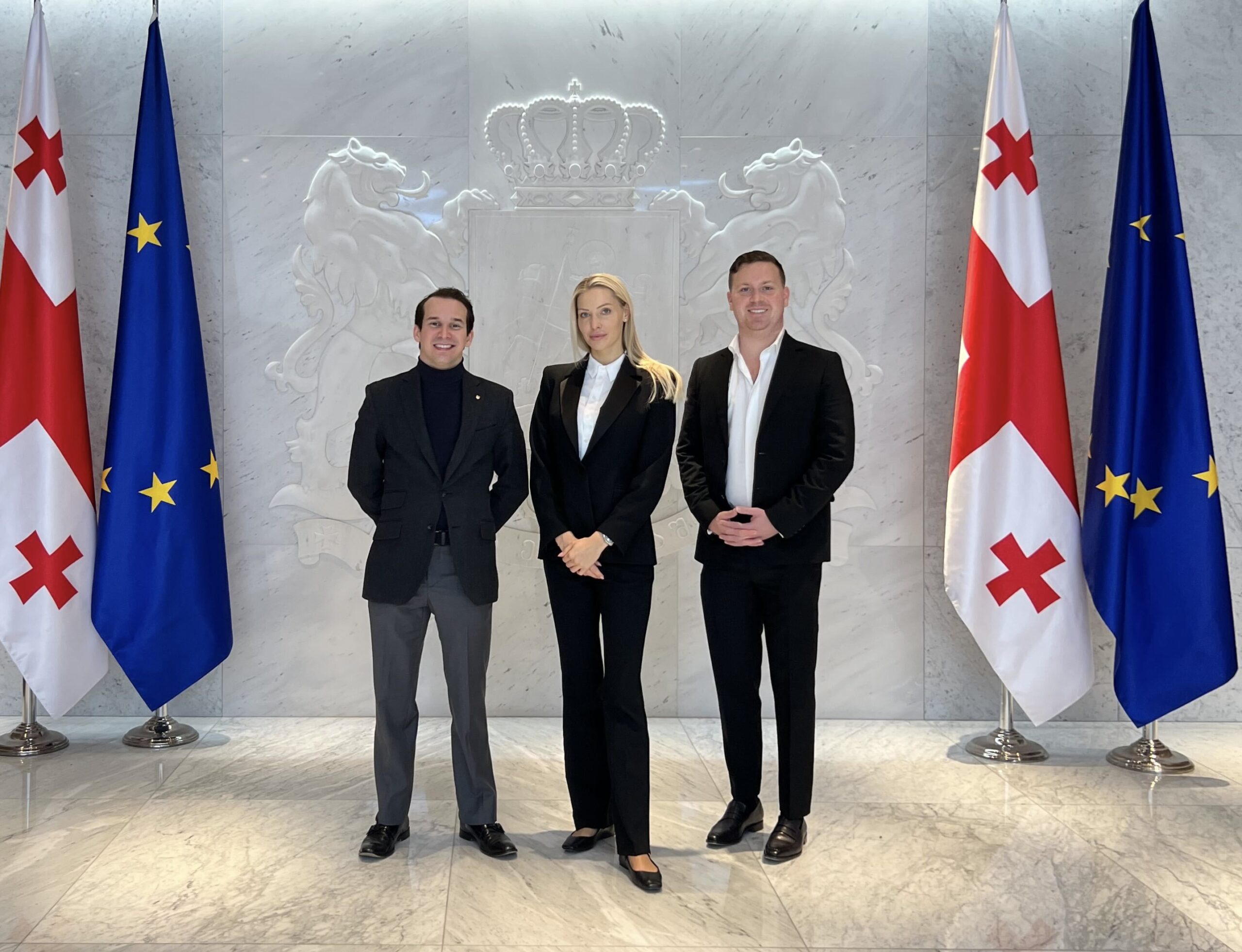
Last week, the Partisia Blockchain team journeyed to Georgia, a land rich in cultural heritage as the birthplace of wine and now at the forefront of blockchain innovation. Here is a short recap of our fruitful trip.
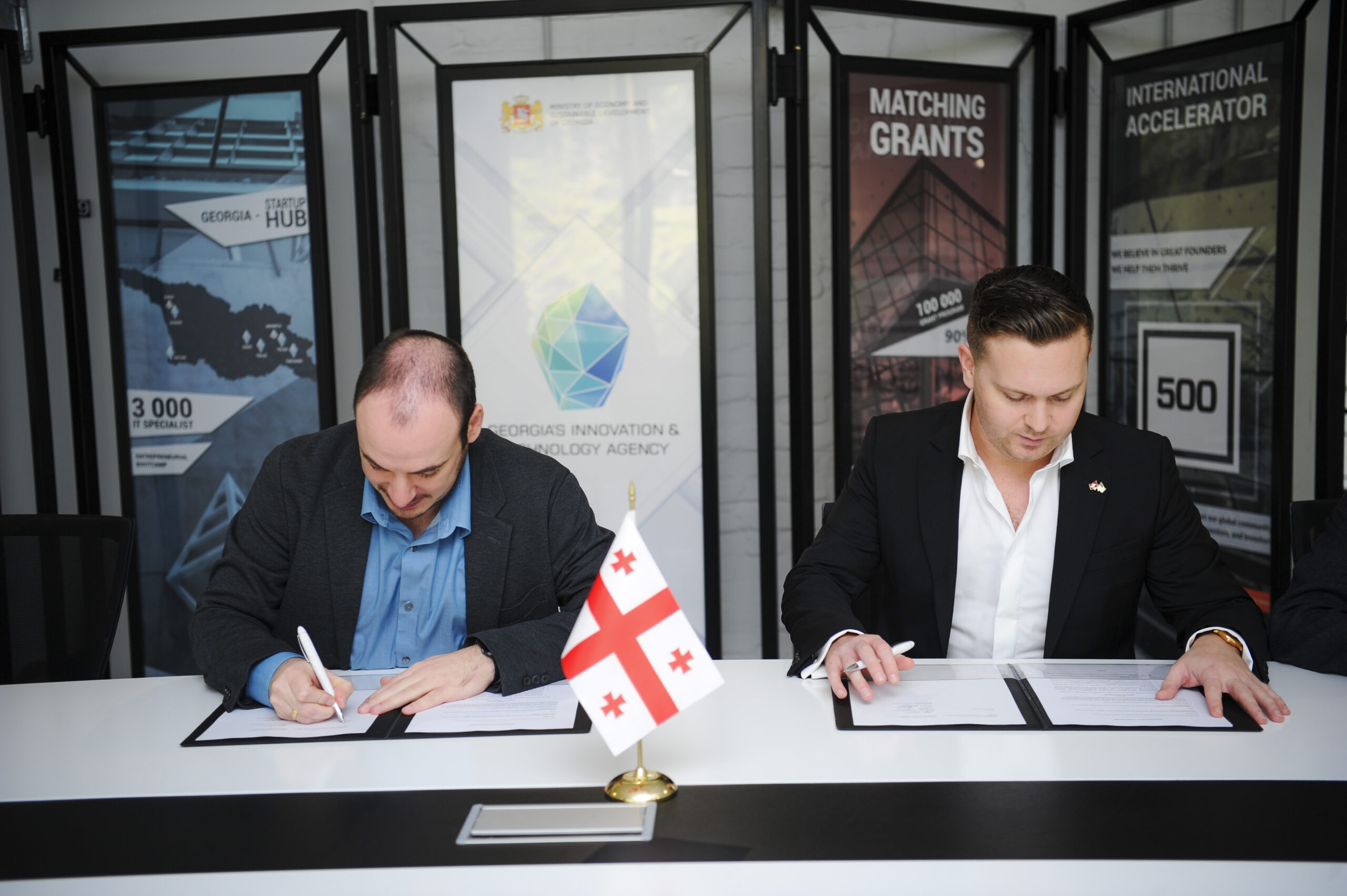
Last Thursday marked a milestone as Partisia Blockchain formalized its collaboration with the Georgian Innovation and Technology Agency (GITA) through the signing of a Memorandum of Understanding (MoU). This pivotal agreement with GITA under the Ministry of Economy and Sustainable Development sets the stage for collaborative efforts aimed at driving advancements in Web3 technology, both within Georgia and the wider Caucasus. By leveraging their combined expertise and resources, Partisia Blockchain and GITA will explore innovative solutions and applications of blockchain technology, fostering joint support for innovative projects, educational initiatives and frameworks for implementation. This collaboration signifies a commitment to shaping the digital transformation landscape, contributing to economic growth, innovation and societal development in Georgia and beyond.
Our team had the pleasure of meeting with members of the Georgian Web 3.0 community, where we showcased the transformative potential of Partisia Blockchain and multiparty computation (MPC) technology, our latest MOCCA solution and a range of other advantages of MPC. Additionally, we introduced our Grants Program aimed at fostering innovation in the Caucasus. In Tbilisi, we were treated to an exclusive demo of the Nova Miningverse video game, a tangible showcase of Partisia Blockchain’s capabilities. This was followed by an informal meeting with the team behind the game.
Last Friday began with a meeting with Razhden Kuprashvili, Head of the Georgian Anti-Corruption Bureau and his team at the Administration of the Government of Georgia. We discussed the potential of MPC and blockchain technology in combating corruption. Later, we exchanged ideas with entrepreneur Vako Turnava at the offices of his companies Sweeft and Skillwill. Conversations revolved around the various applications of MPC and privacy-enhancing technologies, emphasizing the importance of education and training.
This trip showcased the possibilities of blockchain technology and strengthened our commitment to driving positive change in Georgia and beyond. Stay tuned for updates as we continue to push the boundaries of innovation and collaboration in the world of Web 3.0.
Stay updated: Website • X • Discord • Telegram • LinkedIn • Facebook • Instagram • GitLab • Medium • YouTube
For the second consecutive year, Partisia Blockchain took center stage in Davos during the World Economic Forum (WEF), marking a milestone with the largest delegation to date. Despite the cold weather, tight security and a packed agenda, our mission to promote Partisia Blockchain remained unwavering, leading to more than 45 engagements—spanning keynote addresses, panel discussions, industry sessions and speeches over five dynamic days.
A defining moment occurred in Davos with the launch of our MPC On-Chain Custody Advanced (MOCCA) solution. This decentralized, programmable, multichain custody solution set a new industry standard, addressing the pressing need for fortified infrastructure, transparency and expanded usability.
The WEF’s overarching theme, “Rebuilding trust”, framed numerous discussions on blockchain’s pivotal role in restoring trust. Our engagements with decision-makers consistently highlighted blockchain and other innovative technologies as essential tools in the pursuit of regaining trust.
Davos 2024 witnessed an increased focus on the regulatory landscape within the blockchain sphere. Discussions delved into Europe’s MiCA regulation and actions by global supervisory bodies. The consensus underscored the vital role of key infrastructure, exemplified by Partisia Blockchain, in strengthening security, privacy and transparency. This regulatory exploration unfolded amidst a surge of interest in decentralized finance (DeFi) and tokenization.
In DeFi, stakeholders explored its potential to rebuild trust through enhanced reliability. Conversations spanned liquidity, risk management and the disruptive impact on traditional finance, with trustless technology emerging as a viable solution. Tokenization, powered by blockchains like ours, took center stage, showcasing its transformative capacity to simplify securities issuance and provide irrefutable ownership through immutable records.
Trust, a pervasive theme in Davos, seamlessly aligned with Partisia Blockchain’s mission. Insights from Brian Gallagher, our Co-Founder, emphasized the importance of building decentralized trust networks. The regulatory imperative for managing risk across digital asset markets highlighted the collective responsibility required for a resilient and inclusive market environment. Technology’s role in enhancing transparency and mitigating risks showcased blockchain’s potential.
Brian Gallagher emphasized cross-chain liquidity’s necessity, pointing to the vital role of multichain solutions. Discussions on Central Bank Digital Currencies (CBDCs) and stablecoins explored their harmonious coexistence, delving into regulatory nuances, stability and trust. The week culminated with a focus on cybersecurity priorities, positioning blockchain’s collective responsibility as pivotal for a secure digital future.
Identity management as part of trust building was a key conversation in Davos. Shirly Valge, our Chief of Growth, participated in a panel on Web3 and digital identity, highlighting user data control and fraud prevention. The recurring theme of infrastructure underscored blockchain’s foundational role in shaping the evolving Web3 landscape. Security, a constant thread, scrutinized Bitcoin mining, digital identity and the Web3 venture landscape, emphasizing the need for technology to balance scalability, usability, interoperability and digital security.
Beyond engagements, the Partisia Blockchain delegation held fruitful meetings with potential partners, resulting in letters of intent, collaborations and agreements.
In retrospect, Davos 2024 stands as a landmark event, revealing transformative themes that will undoubtedly shape the future of blockchain. From regulatory advancements to technological breakthroughs, the week served as a testament to the industry’s commitment to innovation and trust-building.
Read our daily wraps here: 15 January 2024, 16 January 2024, 17 January 2024, 18 January 2024, 19 January 2024
Stay updated: Website • X • Discord • Telegram • LinkedIn • Facebook • Instagram • GitLab • Medium • YouTube
Welcome to our rundown of the final day at Davos! We have had a packed schedule this week during the World Economic Forum (WEF). Over the last four days we have attended more than 45 sessions and events, launched our very own MOCCA (MPC On-Chain Custody Advanced) solution at a keynote address, and participated in a panel on cross-chain liquidity.
Without further ado, here are today’s themes and highlights:
Our Chief of Growth, Shirly Valge, took the stage. This time she featured on a panel on Web3 and digital identity (dID)—a topic very close to our hearts. Panelists touched on user data control, fraud, and compatibility issues between various eID, dID and SSI systems. Shirly highlighted our recent eID minimum viable product (MVP) for the Swiss government, a decentralized self-sovereign identity solution that uses multiparty computation (MPC) on the blockchain to enable data privacy, security, and control. The panel also highlighted the growing need for self-sovereign identities and the necessity for the governments to ensure the utmost security of individuals’ private data.
A main thread throughout today and during the entirety of Davos has been infrastructure. The sentiment was that, fundamentally, there must be a focus on infrastructure if we want to make transacting easier, cheaper, and more efficient in the Metaverse or Web3. With blockchain as the “pipes” and smart contracts to help direct traffic we have technology that can potentially serve multiple user needs—which brings us to the next theme.
Security was prominent today and in most sessions throughout the week, whether implicitly or explicitly. Today, it was security in Bitcoin mining, digital identity, and in the Web3 venture landscape. As an essential part of trust, a key theme of WEF, the feeling in Davos was more of a question: how can technology facilitate trust? To that end, discussions, both in sessions and in person, focused on solutions that specifically balance scalability, usability, interoperability with digital security and privacy.
Stay updated: Website • X • Discord • Telegram • LinkedIn • Facebook • Instagram • GitLab • Medium • YouTube
Welcome to our rundown of the fourth day at Davos. We had another busy day filled with sessions and meetings. Below are the main themes and highlights for this penultimate day:
Cross-chain liquidity is essential for the efficient functioning of digital assets and decentralized finance (DeFi) markets. Partisia Blockchain Co-Founder Brian Gallagher spoke about the necessity of multichain solutions, like our just-yesterday-released MOCCA (MPC On-Chain Custody Advanced) solution. This is a programmable, decentralized, multichain custody solution that makes custody of digital assets significantly easier. Here, as was discussed on the panel, it is important that users be able to bridge assets on their preferred blockchains, making blockchain agnostic products key. The panelists also discussed important topics like AML, regulation, and protocol interoperability. What stood out was that regulators worldwide are adapting to the realities of DeFi and revisiting existing legislations to facilitate the adoption of new class of assets.
CBDCs and stablecoins have been a key part of discussions around cryptocurrencies over the past year, both positive and negative. Yet, as many nations have already launched or are planning to roll out CBDC pilots and the world is entertaining cashless societies, how CBDCs and stablecoins can co-exist alongside one other to increase financial inclusion needs to be considered. The panel on these two items was sweeping, considering regulation, stability, trust, and even collaboration between stablecoins and CBDCs. A certain fact is that more central banks will pilot CBDCs in the coming years.
One of the threads throughout the World Economic Forum (WEF) has been trust, and related security. Today, we attended WEF’s session on navigating cybersecurity. Something particularly important is that, according to WEF, 43% of organizational leaders estimate that in the next two years they will experience a damaging cyber-attack. The sentiment in this session was that cybersecurity is a collective responsibility and blockchain technology has a greater role to play.
Stay updated: Website • X • Discord • Telegram • LinkedIn • Facebook • Instagram • GitLab • Medium • YouTube
Welcome to our rundown of the third day at Davos. Today, besides meetings and attending sessions, we launched our very own decentralized, programmable, multichain and multiparty computation (MPC) on-chain product: MPC On-Chain Custody Advanced solution. In short – MOCCA. A custody milestone. This slated nicely into the day’s big themes:
Crypto markets were a key point of focus. Market-making and its intersection with algorithmic trading, market makers’ roles in price stability and volatility mitigation, and emerging trends were discussed. Our announcement of our MOCCA (MPC On-Chain Custody Advanced solution) during our keynote address highlighted how a decentralized, programmable, and multichain solution can redefine securing digital assets and make custodial management significantly easier. A need particularly relevant with the recent spot Bitcoin approvals by the US SEC.
Security, privacy, and transparency were the next major themes. This is reflected in the World Economic Forum’s (WEF) main focus for this year “Rebuilding trust” by honing on the fundamental principles fueling it, specifically transparency, consistency, and accountability. Panelists spoke on the importance of balancing transparency, security, and privacy in decentralized systems—a need fulfilled by our MOCCA product, alongside regulatory oversight. The main takeaways of which were that the industry needs infrastructure that will enhance transparency and help it widen its use.
Lastly, the financing side of the market was point on center stage. Contributors and founders gave an overview of their liquid crypto underwritings, the role of trading platforms in liquidity provision, and risks. The key takeaways were that liquid assets can offer contributors significant upside while mitigating much of the risk normally associated with financing in the asset class and the importance of technology, which facilitates trust between multiple parties.
We also had many meetings and attended thought-provoking sessions, such as WEF’s session on the risks and opportunities artificial intelligence (AI) brings into our daily lives. The Wall Street Journal’s session on managing risks, technology and compliance echoed our firm belief that tech plays a critical role in managing risks.
Stay updated: Website • X • Discord • Telegram • LinkedIn • Facebook • Instagram • GitLab • Medium • YouTube
The second day is a wrap! Today’s programming in Davos was all about digital assets, and we attended a thought-provoking session on research and development (R&D). Today’s themes were as follows:
Trust, and rebuilding it, is one of World Economic Forum’s 2024 themes, and one of our focuses at Partisia Blockchain. Today, our co-founder Brian Gallagher participated in the panel about the sustainability of the recent growth in crypto. Panelists spoke specifically on building decentralized trust networks and how these work around data protection—something at the heart of our multiparty computation (MPC) approach to facilitating transactions of all kinds, whether votes, permissions, or digital assets. They made the relevant points that for maturing industry trust between multiple parties, privacy of each party and an infrastructure that can facilitate that is vital for the long-term growth.
An important, related, issue to trust and data protection is risk management, especially for crypto assets. Again, as on the first day, regulation took center stage and the vital role it plays in managing risk in digital assets markets and protecting market participants. The feeling was that each party bears the responsibility in a healthy, sustainable and inclusive market environment.
The thread up until now in our presence at Davos seems to be how technology can be used to make essential financial and other processes more efficient and safer while mitigating risks. We attended WEF’s sessions on technology’s role in addressing air pollution and innovations disrupting research and development (R&D). We also attended the Wall Street Journal’s session on artificial intelligence (AI) and its risks. And here again we saw ample room for blockchain technology to improve processes in a way that fits several use cases while minimizing risk. It truly has the potential to be the technology of the future. The feeling was of big corporates’ willingness to invest more in emerging technologies, such as blockchain, to increase transparency and mitigate potential risks.
Stay updated: Website • X • Discord • Telegram • LinkedIn • Facebook • Instagram • GitLab • Medium • YouTube
We kicked off the first day in Davos during the World Economic Forum (WEF) with the first day of the inaugural Crypto2030! It is an honor to be a 2024 Edition Sponsor and unite with many important organizations from all over the world to advance the Web3 space. Especially during the WEF. A gathering attended by thousands from governments, non-governmental organizations (NGOs), and leading businesses and technology firms with more than 200 sessions and countless meetings.
Let’s dive into the first day’s blockchain-related themes.
Regulations everywhere are on the rise. Panelists today covered the landscape and what the future has in store. Discussions touched on Europe’s recent Markets in Crypto-Assets Regulation (MiCA), and actions by supervisory and governing bodies like Singapore’s Monetary Authority (MAS), Switzerland’s Financial Market Supervisory Authority (FINMA), and the Financial Action Task Force (FATF). In short, key infrastructure, such ours, will be key in increasing security, privacy and transparency for all market participants alike.
Taking in the decentralized finance (DeFi) ecosystem in its entirety was also prominent. This developing ecosystem can increase trust and reliability, something close to our hearts at Partisia Blockchain and, coincidentally, a key theme of the WEF – “Rebuilding trust”. Participants discussed everything from liquidity and risk management, lending protocols, derivatives, and how DeFi is disrupting traditional finance. The feeling was that trustless technology might be one of the solutions to regain trust.
The third theme was tokenization, which has the potential to transform the financial landscape as it can be applied to a range of assets. At the center of this is blockchain technology, which drastically simplifies the process of issuing securities. Participants demystified tokenization, telling how tangible assets can be tokenized, ownership proved and the benefits of immutable records.
We also had a very productive day speaking to leaders and we attended an engaging WEF session on the role of openness in science while taking on questions of trustworthiness and bias. From the discussions, we were further convinced the key role blockchain infrastructure can not only play in boosting trust, but in supporting science’s core tenants of reproducibility and collaboration.
Stay updated: Website • X • Discord • Telegram • LinkedIn • Facebook • Instagram • GitLab • Medium • YouTube
As we step into the promising 2024, we are thrilled to announce our presence in Davos during the World Economic Forum (WEF) from 15th to 19th January 2024. This global gathering of thought leaders, policymakers and visionaries provides the perfect backdrop for us to share groundbreaking insights, forge strategic alliances and shape the path ahead for our blockchain.
We are excited to invite you to meet the team in Davos, providing an opportunity to engage in insightful conversations, explore collaborative possibilities and gain a firsthand understanding of our vision for the future of blockchain. Our delegation includes:
If you are interested in exploring the growth of our technology and blockchain click here to schedule your exclusive meeting with Shirly Valge and our delegation.
We are excited to unveil exclusive news on the ground in Davos. You can look forward to announcements that will reshape our ecosystem, forging new partnerships and opening doors to new possibilities with our technology.
We look forward to meeting you in Davos, where we anticipate engaging discussions! Stay tuned for more updates on our Davos meet-up – your participation promises to make it an event to remember.
Stay updated: Website • X • Discord • Telegram • LinkedIn • Facebook • Instagram • GitLab • Medium • YouTube
The European Blockchain Convention, held in Barcelona on 25-26 October 2023, was a celebration of Web3 innovation, attracting passionate individuals and organizations eager to shape the digital future. As an attendee, I had the pleasure of meeting numerous Web3 projects and industry experts who expressed genuine enthusiasm about Partisia Blockchain’s revolutionary applications of secure multiparty computation technology (MPC) and hybrid blockchains.
It was heartening to see how they not only appreciated our contributions to privacy-enhancing technologies and blockchain infrastructure but also wanted to continue the conversation, with the aim of becoming builders within our ecosystem.
The convention served as a testament to the collaborative spirit and shared vision of creating a more decentralized, user-centric digital world. Over these two days, attendees were treated to enlightening talks from some of the industry’s finest minds and exposed to game-changing topics such as privacy, secure infrastructure, Real World Assets (RWA), digital identity, ESG (Environmental, Social, and Governance) principles, and interoperability. In this recap, we will delve into the highlights of this groundbreaking convention and the key takeaways that promise to shape the future of Web3.
Privacy has always been a concern in the digital age, and the Web3 movement is no exception. At the European Blockchain Convention, it became clear that privacy is a fundamental pillar of the Web3 ecosystem. Discussions revolved around how blockchain technology and state-of-the-art cryptography such as MPC and fully homomorphic encryption (FHE) can offer users and businesses greater control over their data, preserve privacy and comply with regulations, while still being able to compute on it. Solutions that ensure data sovereignty while enabling secure and private computation were showcased, setting the stage for a future where privacy is not compromised for convenience.
Web3 is all about decentralization and putting control back in the hands of users. Building secure infrastructure is essential to achieving this goal. The convention brought together a diverse group of experts, infrastructure builders, and enterprises dedicated to creating scalable and decentralized networks with high performance and interpretability to other ecosystems. The discussions highlighted the vital role of infrastructure in the success of Web3 projects and the importance of continuous innovation in this field.
Web3’s potential goes far beyond digital currencies and non-fungible tokens. Real World Assets (RWA) are making their presence known, bridging the gap between the physical and digital worlds. Several projects showcased at the convention are pioneering solutions that enable the representation and transfer of real-world assets on blockchain networks. This innovation is set to revolutionize industries such as real estate, finance, and supply chain management by tokenizing assets and unlocking new opportunities for global trade and investment.
Digital identity is at the core of Web3’s promise to empower individuals in the digital space. Convention attendees learned how blockchain technology is redefining digital identity, putting users in control of their personal information. Projects focused on self-sovereign identity and decentralized identity management solutions are emerging as key players in the Web3 ecosystem. The discussions at the event explored the importance of identity ownership, the elimination of central authorities, and the protection of user data. Several identity projects showed great interest in the prospect of Partisia Blockchain’s MPC technology that can enhance digital identity with self-sovereign storage and private computation.
A significant addition to the conversations at the convention was the integration of ESG principles into Web3 technologies. Environmental, Social, and Governance factors are increasingly seen as essential components of sustainable and responsible business practices. Many Web3 projects and enterprises are actively incorporating ESG considerations into their strategies. This commitment to sustainability and ethical governance aligns with the broader global movement towards a more environmentally friendly, equitable, and responsible future.
One groundbreaking topic that garnered significant attention was the tokenization of carbon credits. Several Web3 projects are pioneering the digitization of carbon credits, which allows for more accessible and efficient trading and tracking of carbon emissions. By incorporating blockchain technology, Web3 is poised to revolutionize the way we combat climate change. This innovative approach facilitates transparency in carbon trading, encourages environmental responsibility, and furthers the cause of reducing carbon footprints.
Interoperability emerged as a pivotal theme at the convention, underscoring the need for different blockchain networks and Web3 projects to work seamlessly together. The Web3 ecosystem thrives when disparate platforms can communicate and transact with one another. Projects showcased solutions for cross-chain interoperability, allowing assets and data to flow freely between different blockchains. This interconnected Web3 infrastructure promises to unlock new levels of innovation and efficiency by fostering collaboration across the ecosystem.
The European Blockchain Convention in Barcelona was a testament to the growing momentum of the Web3 movement. With a keen focus on privacy, secure infrastructure, Real World Assets (RWA), digital identity, ESG principles, and interoperability, the event provided a snapshot of the innovations and solutions that are shaping the future of Web3.
As we move forward, these discussions and projects will continue to play a pivotal role in building a decentralized, user-centric digital world that addresses the challenges of today and paves the way for a brighter tomorrow. We were honored to witness the strong interest in Partisia Blockchain’s MPC technology and the desire of many projects to join our ecosystem, and we look forward to forging new alliances and innovations in the Web3 landscape.
Website • Twitter • Discord • Telegram • LinkedIn • Facebook • Instagram • GitLab • Medium • YouTube
During the month of September 2023, I will be traveling to a few conferences, and doing a few speaking engagements. As a part of the conference going, I will be providing a few thoughts on what I have seen, people and projects I have met and the changes and trends emerging in the last year or so in the industry.
From Zug, I traveled south to not only take part in the first large Web3 conference in Milan, but also the privilege to take part in a panel discussion about DAOs. This felt more like a standard Web3 conference with a lot of your usual projects. And the theme was similar, with ZK, DAOs, offramp/onramp and a few DeFi projects. And everyone I spoke with knew or heard about MPC.
The panel was about DAO governance, where we discussed a range of topics including leadership, legal frameworks and of course, the need for privacy. It was enlightening to hear about how DAO’s were maturing. I was honored to be included in quite a list of distinguished panelists, with lawyers, researchers and the BD from MIDAO (Marshall Island DAO).
I also got a chance to meet with one of our projects building on our chain, MetaNames. They are building a naming service on our chain, allowing for the name to support all BYOC assets and not just MPC. With them very close to launching in mainnet, it was the perfect time to discuss next steps.
This wrapped up my conference tours for the month of September. It will be good to get back to my desk and begin exploring the leads we were able to find and also get back to actually getting some work done!
Website • Twitter • Discord • Telegram • LinkedIn • Facebook • Instagram • GitLab • Medium • YouTube
During the month of September, I will be traveling to a few conferences, and doing a few speaking engagements. As a part of the conference going, I will be providing a few thoughts on what I have seen, people and projects I have met and the changes and trends emerging in the last year or so in the industry.
It felt like we are finally beginning to see a migration from an asset driven ecosystem to companies actually looking to solve for real world problems.
CV Summit, held in Zug, Switzerland, was a completely different experience than Korea Blockchain Week and Token2049. While it was smaller, and only lasted two days, it was quite a networking experience with many established organizations taking part. KBW and Token2049 was full of entrepreneurs and startups, but many of the people I met were representing companies that had been in the industry for a long time, or was a Web2 company looking to expand into Web3. Certainly not the Web3 atmosphere as the others I have attended. I think this is partly due to the maturity of the industry.
As we are a partner of CV Labs, we were able to secure a booth and many of my colleagues also attended. It was great to see the gang get together for this one and work as a team.
It was an amazing experience being able to connect with potential leads, from supply chain, DAOs, and property deeds management using NFT companies being the notable companies. It felt like we are finally beginning to see a migration from an asset driven ecosystem to companies actually looking to solve for real world problems.
I also got a chance to network and meet with a variety of projects with whom I hope we can enter into some kind of a partnership. We have begun reaching out to them and will report back with updates soon.
During the month of September 2023, I will be traveling to a few conferences, and doing a few speaking engagements. As a part of the conference going, I will be providing a few thoughts on what I have seen, people and projects I have met and the changes and trends emerging in the last year or so in the industry.
My first time in Singapore! The second week of my event experience was at Token2049 in Singapore where I got my first taste of a city I heard so much about but never experienced. I expected it to be a very high end place with expensive cars and high rises. To my surprise it was more like a mix between Hong Kong and Miami. A very laid back Hong Kong maybe? Either way it is an amazing place and I am wishing I could stay a bit longer
The week was far more busy than Korea Blockchain Week (KBW) where there was a significant event every day.
Monday: Eth Singapore — The event was co-hosted by AngelHack who is a good friend of ours. Ryan, the CEO, helped us feel at home and we discussed our potential future collaboration. It was once again devoid of L1 but I did see quite a number of cloud computing providers selling their services. From Google to Huawei, more and more cloud service providers were looking to help build nodes on blockchains.
Tuesday: Decompute (MPC conference) — On Tuesday, I visited a specifically MPC based conference called Decompute. Yes, an actual MPC dedicated conference in a blockchain week. It was amazing to see a ton of MPC focused blockchains coming up and to me it showed the continued emergence of privacy solutions in blockchains. From Nillion to Aptos to other various smaller names, a lot of folks were working on MPC solutions. In fact, during the Q&A session with Aptos, someone raised a question asking “how does this compare to Partisia Blockchain’s preprocessing method?” 0_o Wow, someone who actually has heard of us! I made sure I got his contact and will be following up with him in the future.
Wednesday: IoTex side event (where we were one of the sponsors) —Wednesday was the big event for us where we had Brian Gallagher, one of our Co-Founders, speak in a large side event held by IoTex (one of our future integration partners) and we presented our interoperability model. We also showcased our new banners which we think are much cleaner than our old ones. While I grayed out the new logo here on these pictures, we will be revealing this soon. With Vinny Leow and Markus Spillmann with us, we made sure our presence was felt!
Thursday: Token2049 —Thursday was the visit to the main conference. And there was a huge difference between KBW and Token2049. It was two full floors filled with booths to the brim. There was absolutely no way you could visit them all and all I got was just a very small sample of the different projects that were on display there. It certainly did not feel like a bear market at all.
With that said, like in KBW, the main theme was in ZKP, interoperability, NFT and a lot of service providers.
I met up with a ton of potential leads, which we will combine with the KBW and beginning next week, we will begin following up on them.
My next stop will be in Zug to attend the CV Summit with a larger Partisia Blockchain team in early October and then off to Milan for a speaking engagement at EthMilan. If you are around the area, please let me know.
Website • Twitter • Discord • Telegram • LinkedIn • Facebook • Instagram • GitLab • Medium • YouTube
During the month of September and early October 2023, I will be traveling to a few conferences, and doing a few speaking engagements. As a part of the travel, I wanted to provide a few thoughts on what I have seen, people and projects I have met and the changes and trends emerging in the last year or so in the industry.
Even just a year ago, zero knowledge proof was barely a topic of conversation. Now, almost everyone had some level of understanding of what MPC was.
My first week of events was in South Korea, my birthplace, and I spent the week going to multiple side events, did a quick speaking engagement (thank you H.E.R. DAO for the opportunity) and met with a variety of builders, projects and community builders.
I also got a chance to meet with two of our Korean Ambassadors, which was an amazing opportunity. We teamed up for three days going around different side events promoting building for privacy using Partisia Blockchain.
My first thought was with the amount of missing L1 blockchains in the industry that was present. It clearly still is a bear market and as a result, L1’s were visibility absent. One person I spoke with, when I mentioned I was from an L1, said “oh no, not another L1!” And I think that reaction makes sense. As mentioned on our interoperability article, L1s are all playing a zero sum game. Everyone is in competition with each other and the industry is trying to mature into more of an interoperable environment. To me it was a good sign not only for the blockchain industry but also for Partisia Blockchain, as people were beginning to understand the importance of interoperability in any industry.
My second thought was the amount of zero knowledge events that were out there. One out of every two to three events was either focused on ZK or had zero knowledge as a topic. Even just a year ago, zero knowledge proof was barely a topic of conversation. Now, almost everyone had some level of understanding of what MPC was. This was an amazing shift in the industry and I will keep you all updated to see if this trend continues.
Just on a side note, even the ZKP experts were conceding that ZKP has limitations in scaling and long computation times. My thought is that as the industry continues to mature, many people will begin to turn to MPC as a potential solution unless ZKP scaling issues can be resolved.
Overall, I met up with quite a number of potential leads and partnership opportunities. Quite a lot of leads to follow up, interesting use cases to delve deeper into and more opportunities to come from what I thought was a very successful event. A lot of the builders were focused on DID/SSI solutions, as well as gaming and ZKP technology.
More to come next week on our presence in Token 2049 where we will have a booth and a speaking engagement at the R3al World @ Token2049: Interoperability, Web3’s Disruption Point conference. If you are in the area, come say hello!
Website • Twitter • Discord • Telegram • LinkedIn • Facebook • Instagram • GitLab • Medium • YouTube
During the course of July, students, young professionals, academics, and industry leaders came together from across the globe for the SDG Summer School. This Summer School is organized by the University of Geneva and hosted in the SDG Innovation Lab, close to the United Nations as well as on different campuses around the world in parallel. Partisia Blockchain had the privilege of attending and actively participating in the program.
Groups of students were formed, assigned a coach and began to develop an idea into a project. The projects were all aimed at solving pressing problems and contributing to the Sustainable Development Goals (SDGs). After three weeks the groups pitched their projects to a jury consisting of decision makers from major institutions such as the University of Geneva, the Global Fund and the Olympic Committee.
I had the opportunity of representing Partisia Blockchain and coaching a group of students in creating an innovative solution to women’s health:
“Her Menstrual Trials” is an application using MPC and Blockchain to track women’s health trends and the effects of medications without revealing anyone’s personal health data. The blockchain would provide crypto-incentives to the participants and help store and track the data collected, while MPC would keep the data private, while allowing for real-time, continuous data collection from the participants.
Furthermore, Partisia Blockchain had the pleasure of sponsoring a student from Copenhagen to come to Geneva and participate in the Summer School.
The SDG Summer School is an impactful event empowering young minds to find solutions to the most pressing problems around the world. Partisia Blockchain is proud to support such an initiative and help to contribute to a brighter future for all.
Website • Twitter • Discord • Telegram • LinkedIn • Facebook • Instagram • GitLab • Medium • YouTube